
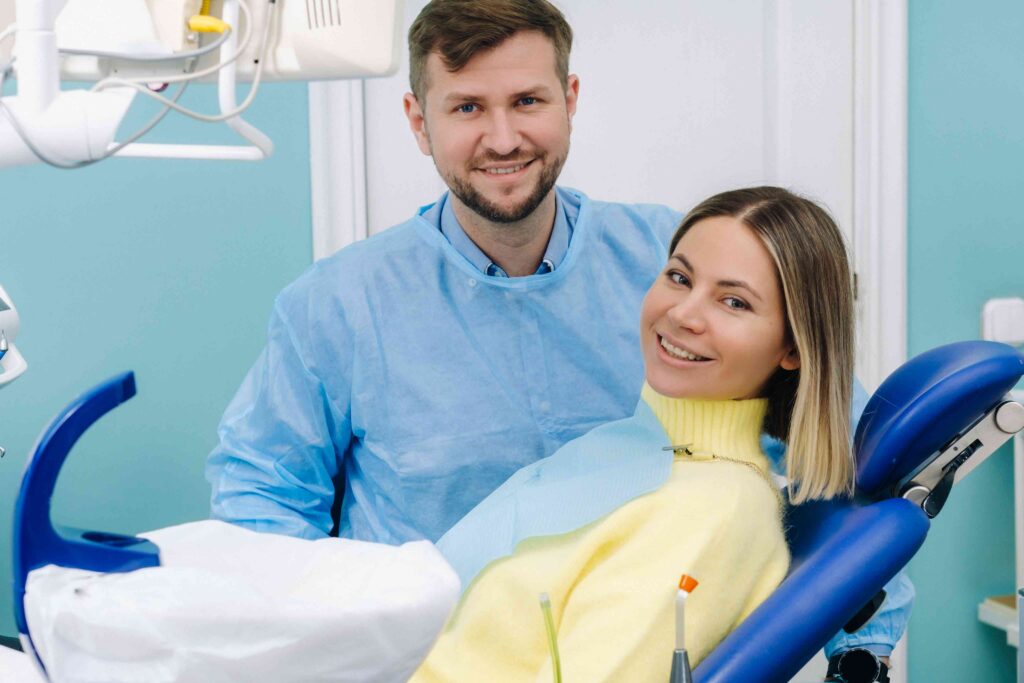
Sedation dentistry West San Antonio, TX patients ask about may help selected people feel more supported during dental care, depending on health history, anxiety level, medications, and the procedure needed. Sedation may be discussed for dental anxiety, strong gag reflex, longer visits, urgent treatment, pediatric concerns, or implant-related procedures. It is not right for everyone, so a dental evaluation and safety review are needed before deciding whether sedation or another comfort approach may be appropriate.
Dental anxiety can show up in different ways. Some patients feel nervous before every appointment, while others feel calm during checkups but tense when treatment is recommended. In West San Antonio, TX, a patient may also feel more anxious if there is tooth pain, a broken tooth, or a longer procedure to discuss.
People searching for sedation dentistry West San Antonio, TX often want dental care to feel more manageable. Sedation may be helpful for selected patients, but it needs careful planning. The dentist must understand medical history, medications, breathing concerns, anxiety levels, and the type of care being considered. A calm conversation before treatment can help patients understand what support may fit their needs.
Dental Anxiety Should Be Named Early
Some patients avoid telling the dentist they are nervous. They may worry about being judged or feel embarrassed about past experiences. Sharing anxiety early can make the visit easier to plan.
A dentist may adjust the pace of the appointment, explain each step before beginning, use agreed hand signals, or break care into smaller visits when suitable. These choices can help some patients feel more in control.
Sedation is only one part of comfort planning. For some people, clear communication and a slower pace may be enough.
What Sedation Dentistry Means
Sedation dentistry uses medication to help patients feel more relaxed during selected dental procedures. The type and level of sedation can vary based on the patient’s treatment plan.
Some patients may feel calmer while staying awake. Other forms may involve deeper relaxation or reduced awareness. The dentist should explain what the patient can expect before the visit.
Sedation does not replace local anesthesia when numbing is needed. Local anesthesia helps manage sensation in the treatment area, while sedation may help reduce stress, fear, or tension.
Why Health History Comes First
A complete health review is important before sedation is considered. Medical conditions, allergies, medications, sleep apnea, breathing concerns, pregnancy status, alcohol use, substance use, and past sedation experiences may all matter.
Patients should share accurate details, even if they seem unrelated to dental care. These details help the dentist decide whether sedation may be appropriate.
At Wiseman Family Dentistry, sedation discussions may include reviewing anxiety level, health history, dental needs, medications, and safety factors before comfort options are explained.
Who May Ask About Sedation
Patients may ask about sedation if they have dental fear, a strong gag reflex, difficulty sitting for longer visits, or past dental experiences that feel stressful. Some people also ask after avoiding dental care for a long time.
Sedation may also be discussed when several treatment needs are planned. The dentist may consider whether the procedure length, patient comfort, and health history support its use.
Not every nervous patient needs sedation. Not every procedure requires it. The recommendation should be based on careful evaluation.
Sedation During Urgent Dental Visits
An emergency dentist west San Antonio, TX patient may see can first focus on diagnosing the urgent concern. Severe pain, swelling, trauma, broken teeth, or infection signs should be evaluated promptly.
Urgent symptoms can increase anxiety. A patient in pain may worry about what treatment will involve or whether the tooth can be saved.
Sedation may be discussed in selected emergency or follow-up situations, but diagnosis comes first. The dentist needs to understand the cause before explaining treatment and comfort options.
Sedation and Children’s Dental Care
A pediatric dentist West San Antonio, TX parents search for may help children with cavity prevention, tooth pain, dental injuries, and habit guidance. Some parents ask about sedation if a child is very anxious or needs more involved care.
Sedation for children requires careful review. A child’s age, health history, medications, treatment needs, cooperation, and safety factors all matter.
Many children may do well with calm explanations, shorter visits, parent guidance, and gradual trust-building. Sedation is not the first answer for every child.
Sedation and Dental Implant Planning
Dental implants west San Antonio, TX patients consider may involve multiple steps, including evaluation, planning, placement, healing, and final restoration. Some patients ask about sedation because implant-related care can feel intimidating.
Sedation may be discussed in selected implant cases depending on health history, anxiety level, and procedure. It does not change whether a patient is suitable for implants.
Implant planning still depends on gum health, bone support, healing ability, medical history, oral hygiene, and bite pressure. Comfort support and treatment suitability are separate decisions.
Comfort Support Without Sedation
Some patients feel better with non-sedation comfort strategies. These may include a consultation-only visit, step-by-step explanations, breaks during care, agreed hand signals, or listening to music when appropriate.
A patient may also ask to discuss treatment in stages. Knowing what needs care first and what can be monitored may reduce stress.
Dental anxiety often feels worse when patients do not know what to expect. Clear information can help make care feel more predictable.
Practical Ways Sedation May Help Selected Patients
Sedation may help certain patients complete dental care with less stress, but it should always be matched to the person and procedure.
Sedation support may help with:
- Dental anxiety
- Strong gag reflex
- Longer treatment visits
- Past stressful dental experiences
- Urgent care follow-up
- Selected pediatric treatment discussions
- Implant-related procedure anxiety
- Difficulty staying calm during care
- These benefits are not guaranteed. Suitability depends on evaluation, safety review, and dental needs.
How a Sedation Consultation Is Usually Planned
A sedation consultation often begins with questions about dental anxiety, past experiences, health history, medications, and the procedure being considered. Patients should be honest about concerns, fears, and previous sedation or anesthesia reactions.
The dentist may examine the mouth and explain what treatment is needed. If sedation may be suitable, instructions may include eating, drinking, medication timing, transportation, and recovery guidance.
After the appointment, patients may need time to rest depending on the sedation method. Some types may require a responsible adult to drive them home. The instructions should be reviewed before treatment day.
Local Patient Review
“I had put off dental care because I felt nervous about treatment. The visit helped me understand comfort options and what would happen step by step.”
Making Dental Care Feel More Manageable
Sedation may help selected patients feel calmer during dental care, but it should always be planned around safety, health history, and treatment needs. For patients in West San Antonio, TX who feel anxious about urgent care, children’s treatment, implant planning, or longer dental visits, Wiseman Family Dentistry can help explain whether sedation or another comfort approach may fit after evaluation.
Frequently Asked Questions
What should I tell the dentist before asking about sedation?
Share your health history, medications, allergies, breathing concerns, past sedation experiences, and what makes dental visits stressful. These details help guide safe planning.
Can sedation be used just because I feel nervous?
Possibly, but nervousness alone does not automatically mean sedation is the right choice. Your dentist may first review your health, treatment needs, and other comfort options.
Does sedation dentistry replace numbing?
No. Local anesthesia may still be used to numb the treatment area. Sedation is mainly used to help with relaxation, awareness, or anxiety.
Can sedation help during an emergency follow-up visit?
It may be discussed after the urgent problem is diagnosed. Severe pain, swelling, or infection signs should be evaluated first, so the right treatment can be planned.
Are children always sedated for dental treatment?
No. Many children do well with calm communication and shorter visits. Sedation for children requires careful health and safety review.
Do implant procedures always require sedation?
No. Some patients may not need sedation for implant-related care. The decision depends on anxiety level, health history, and the procedure being planned.
Will I remember the dental visit afterward?
That depends on the sedation method used. Your dentist should explain the expected level of relaxation and awareness before treatment.
Why might sedation not be recommended for me?
Certain health conditions, medications, breathing concerns, or safety factors may make sedation unsuitable. Your dentist can explain other comfort approaches if needed.